

It’s that time of the year once again, good ol’ performance appraisal and end of year profit calculation season… I mean, December. With the last three months of the year containing some of the most recognized holidays globally, for America, being the capitalist utopia that it is, Christmas is undoubtedly the most followed, most heavily pushed event, possibly of the entire year, trumping any and all other events in the public eye. The winter season, particularly Christmas, dictates schedules of millions of Americans every year. I asked some of my peers what some of their families’ Christmas traditions were, and I received answers varying from, “Donut holes for breakfast” to, “We exchange gifts on the 24th instead of the 25th,” as well as my own testimony on getting milkshakes from Ritters and looking at the christmas lights in Winding Brook with my family. Being that these are somewhat vague events that wouldn’t be relatable to talk about for wider parties, I’ve decided to cover a few major Christmas traditions and research their origins to round out 2025.
Gingerbread
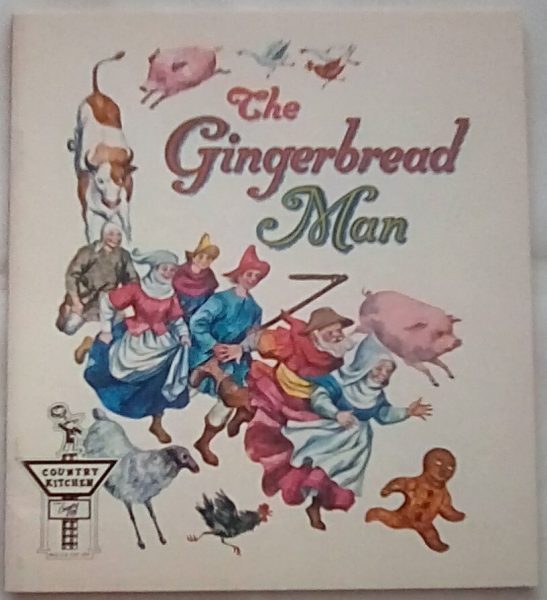
The food behind Christmas’ beloved gingerbread men, like so many other sugary delights today, originated as a medicinal product in parts of Asia and the Middle East. Brought to Western Europe and developed over several hundred years, the cookie we know today is inspired largely by the story, “Hansel and Grettle” by the Grimm Brothers from 18th century Germany. Gingerbread cookies being decorated as little people or houses is a tradition that has been adopted by dozens of countries over the past centuries and has evolved into what we now recognize as the sets bought in grocery stores or made at home with recipes that aren’t all that different from one another.
Christmas Tree
Whether it’s a real tree or plastic, most people have at least seen a christmas tree before. I suppose it never really occurred to me how odd it could seem, seeing a tree in a place it most definitely does not belong. Another tradition with strong roots in Germany, the christmas tree has evolved over the past several hundred years from a pagan tradition symbolizing life and new beginnings. I don’t think I’ve personally seen lit candles on a christmas tree before, real or otherwise, but prior to the invention of electric lighting in the 1880s, it’s understandable that entire villages of wooden buildings were burning to the ground left and right.
Now, with the invention of electric twinkle lights, save for bulbs getting so warm they burn one’s hand, the number of burnt christmas trees has drastically decreased, so if you have nothing to be happy about this Christmas season, perhaps there’s that. Gone are the days of needing to go out to harvest your own tree, the christmas tree has grown so popular that entire farms and stores are dedicated to the convenience of having one in your home when the 25th rolls around.
Christmas Cards
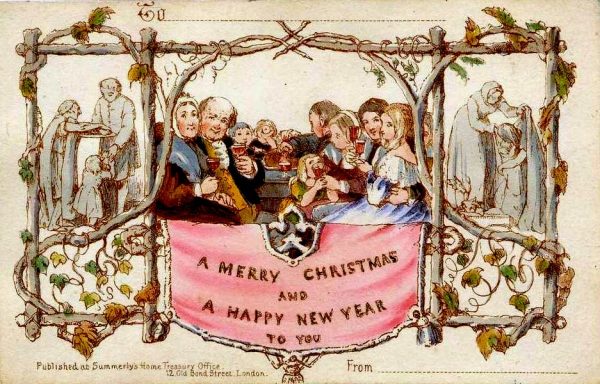
People love to send little cards for anything and everything. With the invention of computers and online communication, people send “snail mail” far less often than was common fifty years ago. One thing that hasn’t changed is the desire for everyone to know everyone else’s business. Christmas cards today vary quite widely in regards to their appearance. Some involve photos of families with simple good wishes written on the back, while others (if you’re my family), involve pages and pages of what has gone on that year that often read along the lines of, “so-and-so got a new job, your aunt what’s-her-face is taking night classes, your cousin’s ex wife is coming to christmas” and so on and so forth. Sending christmas cards to one’s friends and family is a tradition reaching as far back as the 1600s, and while it is often a commercially outsourced event today, handmade cards make for lovely surprises in a mailbox so often overrun with bills or unwanted college mail that I’m sure my dear mother will continue to receive long after I’ve graduated college.
While these traditions and capitalism are, of course, not the, “reason for the season,” they often create a sense of community and fellowship that perhaps does not appear other times of year. Baking gingerbread, decorating a christmas tree, or even making cards with one’s loved ones creates an association between Christmas and family, a sensation that, for most people at least, is a positive thing and leaves the long 12 months on a high note, ready to move on to the coming year.